
Copyrighted characters, brands and quotes: rules for designers
Common assumptions like "it's fine if I change it a little", "fan art is allowed" and "parody is protected" are the most expensive mistakes a POD designer can make. We cover the decisions you need to make at the design table on characters, brands, quotes, fonts and AI.
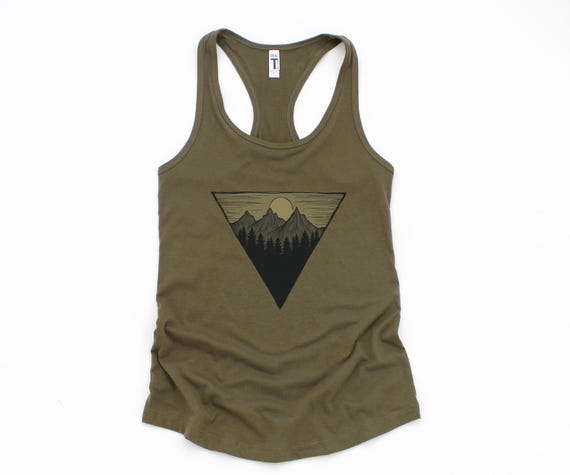 Mountain and moon t-shirtNo issues
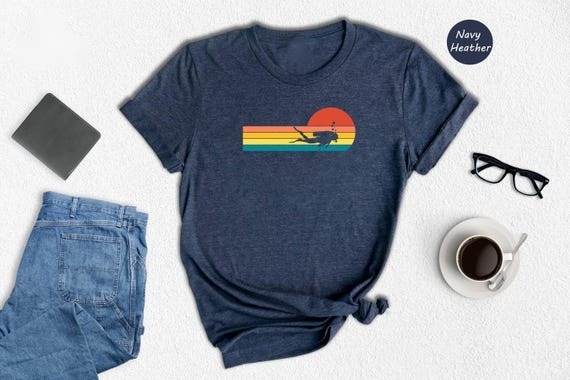 Retro scuba t-shirtNo issues
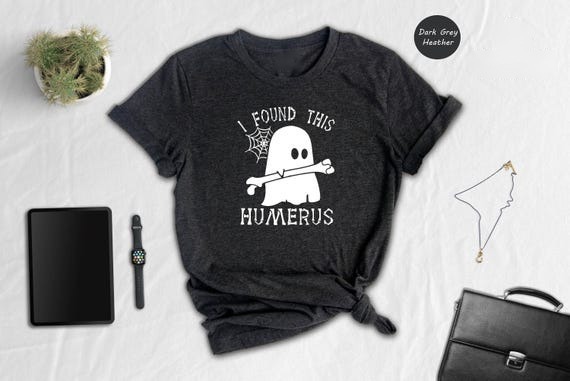 Ghost doctor t-shirtNo issues
The idea determines whether a design sells, but copyright and trademark rules determine whether it stays up. Marketplaces like Etsy, Amazon and eBay handle intellectual property infringement through notices from rights holders and take account-level action on repeat infringement. That is why copyright checks start at the design table, not after the design is finished.
What do the platforms say?
Etsy doesn't decide on its own whether content infringes someone else's rights; when it receives a notice from the rights holder, it removes the listing and may, where appropriate, terminate the selling privileges of members who receive repeated notices. We covered how Etsy runs this process and which design types are risky in detail in a separate post.
On its intellectual property page, Amazon says rights holders can report any type of complaint, including copyright, trademark and patent, through an online form, and that it terminates the accounts of repeat infringers where appropriate. eBay's intellectual property policy sets out a similar framework; t-shirts printed with a third party's photo and slightly altered versions of a brand name are listed among the examples of infringement.
The common thread: no platform accepts "someone else is selling it too" as a defense, and none of them approves your design for you before it goes live. The responsibility lies with the designer and the seller.
Characters and fan art
Characters from films, TV series, cartoons, games and comics are protected by copyright and often by trademark as well. Drawing the character yourself doesn't give you the right to use it; what's protected is the character itself. A recognizable silhouette, costume, color scheme or signature line is also risky because it evokes the character.
"Fan art" is not a legal permission. Selling fan art without a license is sufficient grounds for the rights holder to file a notice. If you want to make a design inspired by a character, tell the universal feeling of that world (adventure, friendship, nostalgia) through an original illustration instead of the character.
Brand names, logos and slogans
Trademark protection covers not only the logo but also the name, distinctive slogans and sometimes specific phrases. Altering a logo for parody, shuffling the letters of a brand name or using the pattern of a well-known slogan all carry trademark infringement risk. The names and emblems of sports teams, leagues, universities and institutions are also protected marks.
An everyday phrase can also be a registered trademark in certain product classes. Before using a best-selling slogan, it's a good habit to check whether the phrase is registered in relevant classes such as clothing using the United States Patent and Trademark Office's (USPTO) free trademark search tool (tmsearch.uspto.gov).
Quotes: songs, films, books, celebrities
Song lyrics, movie lines and book quotes can be protected by copyright; even a short quote can carry risk. The names, faces, signatures and recognizable phrases of famous people are protected by personality rights and sometimes by trademark. If you don't know who a quote belongs to, that alone is a warning sign.
- Don't use song lyrics or movie lines directly; write the same feeling in your own words.
- Don't use a famous person's name, face or signature without permission.
- Research the real owner of popular quotes thought to be "anonymous".
- Remember that even for public domain works, a new translation, arrangement or illustration can have its own copyright.
Fonts, graphic elements and stock images
Copyright risk isn't only in the idea, it's in the materials too. Every font, icon, texture and illustration you use in a design needs permission for use on commercial products. Many fonts and images downloaded as "free" are licensed for personal use only. Because POD involves a physical product that is sold, it usually requires a commercial license; some licenses also set separate limits on the number of products sold or on "print on demand" use.
Designing with AI
Being generated with AI doesn't exempt a design from copyright and trademark rules. Asking a model for an image "in the style of a well-known character" or in a brand's visual language can make the result similar enough to a protected work. Etsy accepts seller-directed AI creations under "Designed by a seller" and asks that AI use be disclosed. Leaving brand, character and artist names out of your prompt is a good start.
Decision table for the design table
| Element | Risk | Safe alternative |
|---|---|---|
| Film or game character | High | An original character that conveys the same feeling |
| Sports team, league, university | High | The sport itself: "basketball mom", "soccer coach" |
| Brand name or logo parody | High | An original, brand-free joke |
| Song or movie quote | High | The same feeling in your own words |
| Celebrity name, face, signature | High | A theme independent of the person |
| Popular slogan | Varies | Check registration at the USPTO; use different wording if needed |
| Free font or icon | Varies | A source with a verified commercial license |
| Profession, hobby, family role | Low | Safe territory with original text and illustration |
Listing copy is part of the design too
Even if the design is fully original, using a brand or character name in the title, tags or description creates risk. Mentioning a brand name with patterns like "inspired by", "style" or "like" doesn't remove that risk. Target the buyer with the audience, subject and moment, not the brand name.
Copyright check in Custombull
Custombull's copyright check compares the design and title against known brands and characters for similarity and explains the reason for any risk; 1 credit per product. More than 5,000 designs have been checked so far. The idea engine filters out high copyright risk ideas from the start, and in Automated Production every design goes through a copyright scan before it's uploaded to the store. No automated check is a legal guarantee; the final decision and responsibility rest with the seller.
Frequently asked questions
I drew the character entirely myself. Is it still infringement?
Yes, it can be. What's protected is the character, not the drawing itself. Your own drawing doesn't give you the right to use the character.
Isn't parody legally protected?
Whether parody is protected depends on the country and the specific situation; marketplaces don't make that assessment. If the rights holder files a notice, the listing is removed. For POD, parody is a risky area.
Can I use a character if I get a license?
Yes, if you get a written license from the rights holder. Read carefully which products, which channels and what time period the license covers.
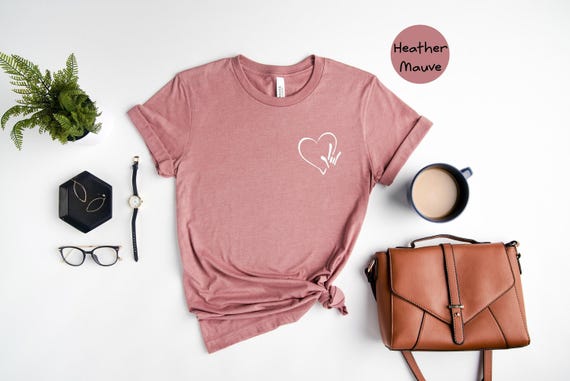 Sign language heart t-shirt