
Amazon seller fees 2026: referral fees, plan fees and a t-shirt example
Amazon's referral fee on clothing is not a flat rate: it is 5%, 10% or 17% depending on the sale price. A seller who doesn't know shipping counts too can double the fee while raising the price by $1.
 Live
Live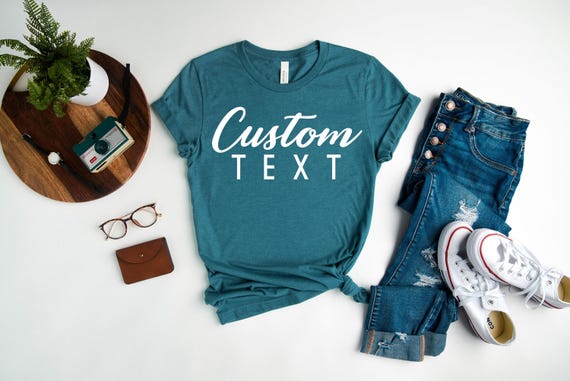




The most common mistake when pricing on Amazon is assuming the referral fee is a single rate. In Clothing and Accessories, the rate is tiered by sale price, and crossing a tier boundary raises the fee all at once. Add the fact that shipping charges count toward this calculation, and your pricing strategy directly sets your profit margin.
In this post we walk through the fees listed on the sell.amazon.com pricing page as of September 2026, with example calculations for a POD t-shirt.
1. Selling plan: Individual or Professional?
| Plan | Fee | Who it's for |
|---|---|---|
| Individual | $0.99 per item sold | Sellers with low monthly volume, testing phase |
| Professional | $39.99 per month (regardless of items sold) | Sellers with regular sales |
Simple math: $39.99 / $0.99 ≈ 40. If you sell more than 40 items a month, the Professional plan is cheaper. The plan fee is paid in addition to the referral fee; it does not replace it.
2. Referral fee: three tiers in clothing
The referral fee is a percentage taken from every sale based on category. In Clothing and Accessories, the rates are:
| Total sales price | Referral fee |
|---|---|
| $15.00 and under | 5% |
| Over $15.00, up to and including $20.00 | 10% |
| Over $20.00 | 17% |
The minimum referral fee per item is $0.30. So even if the calculated percentage comes to less than $0.30, at least $0.30 is deducted.
3. Example: the same t-shirt at three prices
Product: Gildan 64000 Softstyle t-shirt. Starting price on Custombull with printing included: $6.50. Add your shipping cost per order separately; the table below shows free shipping to the buyer and does not include shipping cost. Plan: Professional (monthly fee separate).
| Sale price | Referral fee | Product (printing included) | Remaining (excluding shipping and plan fee) |
|---|---|---|---|
| $14.99 | 5% = $0.75 | $6.50 | $7.74 |
| $19.99 | 10% = $2.00 | $6.50 | $11.49 |
| $21.99 | 17% = $3.74 | $6.50 | $11.75 |
The key takeaway from the table: going from $19.99 to $21.99 raises the price by $2, but what you keep goes up by only 26 cents. That's because the rate jumps from 10% to 17% the moment you cross $20. This is why clothing prices cluster just below the tier boundaries ($15.00, $20.00) or clearly above them.
4. Spread it across the month
Per-unit math is not enough; you also need to divide the plan fee by your monthly sales volume. On the Professional plan, selling 50 t-shirts a month means $39.99 / 50 ≈ $0.80 extra cost per item; selling 200 a month means ≈ $0.20. As sales volume grows, the plan fee's per-item impact shrinks.
- Set your sale price and the shipping charge you will collect from the buyer.
- Put the total into the tier table to find the referral fee (don't forget the $0.30 minimum).
- Subtract product cost (printing included) and your shipping cost.
- Divide the monthly plan fee by expected sales volume and add it per item.
- If you use advertising (such as Sponsored Products), add your ad cost per order.
- Set aside an allowance for returns and defective items.
5. Other costs that get overlooked
- Advertising: visibility on Amazon often requires ads. Ad spend doesn't show up in the fee table, but it is part of your cost per order.
- Returns: size-related return rates can be high in apparel. A clear size chart reduces returns.
- FBA fees: if you send products to Amazon's warehouses, storage and fulfillment fees apply. In the POD model the producer ships directly, so these fees usually don't come into play.
- Currency and getting paid: if you sell from Turkey, factor in the conversion cost when payouts reach your account.
6. Lowering quality and return costs
The biggest cost that doesn't appear in the fee table is returns and bad reviews caused by defective products. Custombull checks and guarantees the quality of every product: if a defective item reaches your customer, just report it with a photo from the order screen, and you get a no-questions-asked refund or a free reprint. That takes the defective-product allowance in your Amazon profit math off your shoulders.
7. Compare Amazon with other channels
Knowing how much the same t-shirt loses to fees on Etsy, eBay and Shopify determines which channel you list on and at what price. On Custombull, your Amazon sales appear in the same dashboard as your other channels and can be compared year over year, so you can see on one screen which product is more profitable on which channel. Plan pricing is fixed per store: 5 stores for $29.99 on Bronze, 10 stores for $99.99 on Gold; the price does not go up with the number of products.
Frequently asked questions
Is the referral fee charged on tax too?
Under Amazon's definition, total sales price includes the item price, shipping and gift wrap charges; taxes calculated through Amazon's tax calculation service are not included in that total.
When does the $0.30 minimum apply?
In the 5% clothing tier, if the total sales price is under $6, the calculated fee falls below $0.30 and Amazon charges $0.30. This is rare at t-shirt prices.