
A plan for your first sale in 30 days: a day-by-day POD start
Your first sale usually comes from structure, not luck. We put together a plan that splits the first 30 days into four phases, from shop setup and first listings to pricing and reading the data, with a clear output for each phase.

Everyone who opens a new POD shop has the same question: when will the first sale come? There is no definite answer, and nobody can guarantee sales. But there's a big difference between people who spend the first 30 days without a plan and those who know what each week should produce. A plan lets you see what's working and what isn't.
In this post we split the first 30 days into four phases. The plan is written for Etsy, but the same logic applies to Shopify and eBay.
The plan at a glance
| Phase | Goal | Output at the end of the phase |
|---|---|---|
| Days 1-3 | Basic setup | An open shop, completed policies, a connected producer |
| Days 4-10 | Niches and first designs | 2-3 niches, a few designs for each, copyright checked |
| Days 11-20 | Publishing | A first batch of listings live, with SEO complete |
| Days 21-30 | Measure and adjust | Listings updated based on data, a plan for the second wave |
Days 1-3: basic setup
- Open the shop: shop name, logo, cover image and a short "about" text. Don't tie the shop name too tightly to your niche; you should be able to expand later.
- Complete your payment and bank details: if you sell from Turkey, Etsy requires a bank account in the same country as the shop.
- Fill in your policies: returns, exchanges and shipping times. If you use POD, disclose your production partner.
- Connect your producer: connect your shop to your POD provider so the flow is ready when the first order comes in.
- Order samples: having the product you'll sell in your hands lets you give accurate information about the fabric and print.
Days 4-10: niches and first designs
The goal of this phase isn't hundreds of random products but a small, well-thought-out set of distinct items. Pick 2-3 niches and prepare 3-4 different takes on the same idea for each. Only sales and view data will show which take works in a niche.
- Validate the niches with Etsy search suggestions and Marketplace Insights.
- Prepare each design at print size with a transparent background.
- Check each design for copyright and trademark risk before publishing.
- Keep product selection simple: one t-shirt model and a few popular colors are enough at the start.
Days 11-20: publishing
Publishing listings in batches over a few days, rather than all at once, lets you check each one carefully. Run these checks on every listing:
- Title: say clearly what the product is in the first few words. Etsy titles can be up to 140 characters.
- 13 tags: use them all, each up to 20 characters, covering different search intents that don't repeat each other.
- Attributes: fill in the color, size, audience and theme fields.
- Photos: the first photo should be a clean mockup that puts the product front and center; add color options and a size chart too.
- Price: add up the product cost, shipping and Etsy fees, then add your profit.
- Production partner: select the production partner on POD listings and show the correct shipping location.
Remember that each listing has a $0.20 listing fee and a 4-month lifespan. So a well-prepared set, rather than hundreds of careless listings, costs less and produces more meaningful data.
Days 21-30: measure and adjust
Once the first listings are live, the biggest mistake is to wait. Etsy's shop stats show how many views, favorites and sales each listing has. Read this data by sorting it into three groups:
| Situation | Likely cause | What to do |
|---|---|---|
| No views | Title and tags don't match searches | Rewrite the title and 13 tags, fill in the attributes |
| Views, but no favorites | The first photo or design doesn't grab attention | Change the first photo, strengthen the design |
| Favorites, but no sales | Price, shipping time or lack of trust | Review the price, shipping information and photo set |
At the end of the month, add new variations in the niches that are getting attention and plan the second wave. No sales by the end of the first month isn't failure; it means you've started collecting data.
Speeding up the first 30 days with Custombull
Custombull's Free plan is $0: you connect 3 stores, orders come in automatically, and printing by partner producers in the US, packing, shipping and the tracking page are included. Gildan 64000 starts at $6.50 with printing included. Custombull checks and guarantees the quality of every product; for a defective item, you're refunded with no questions asked or the item is reprinted for free.
If you want speed on ideas, design and listings, Automated Production steps in: it scans trend and news sources to find ideas, creates the design with AI, prepares the mockup and listing copy, runs a copyright scan and uploads to Etsy with your approval or on an auto-publish setting. A block of 100 products is $25 (or 63 credits). There is no sales guarantee, but it takes on the most time-consuming part of the first month.
Frequently asked questions
How long until the first sale?
There's no fixed timeline. Niche, listing quality, price and season all play a role. A plan doesn't guarantee sales, but it helps you see what works faster.
Should I run ads in the first month?
It's better to get the basic quality of your listings (title, tags, photos, price) in place first. Advertising a weak listing won't turn traffic into sales.
Does it help to ask friends to order?
Telling your own circle about your shop is natural, but fake or incentivized purchases and reviews violate platform rules and put your shop at risk.
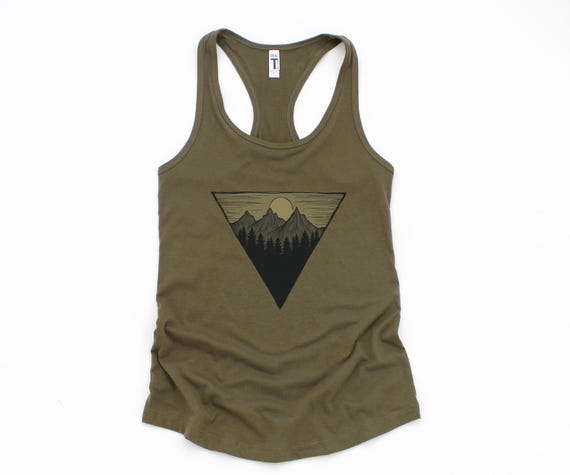 Mountain and moon tank
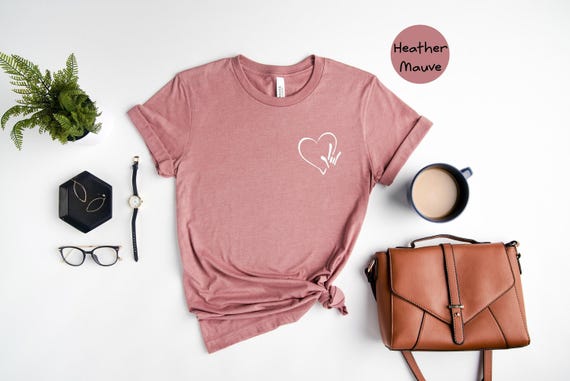 Sign language heart t-shirt